Focused arrival windows
Useful updates and clear arrival timing.
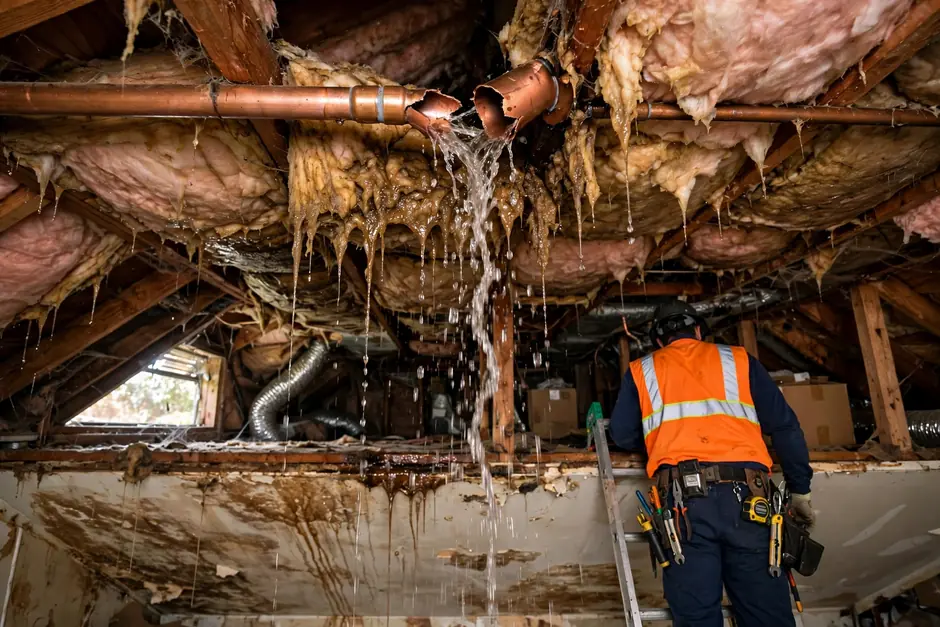
Burst pipe water damage Houston homeowners face most often starts with a line that was never meant to see freezing temperatures: a supply line run through an attic, an exterior wall, or a garage. When that line splits, it can push hundreds of gallons into ceilings, walls and floors before anyone notices. Restoration Enterprise extracts the standing water, dries the structure to documented moisture readings, and repairs the water-damaged materials. Call (346) 980-0009 any time — we are open 24 hours.
Useful updates and clear arrival timing.
Review the approach and scope before deciding.
Equipped vehicles and respectful cleanup.
Neighbors serving neighbors with follow-through.
A burst pipe is two jobs, not one: stopping the water and dealing with everything the water touched. We handle the second job — the water damage — from the first visit through the final walkthrough.
If water is still running, we talk you through finding your main shut-off valve and turning off power to affected rooms where it is safe to do so. If you cannot reach the valve safely, we shut the water off on arrival.
Truck-mounted extraction units pull standing water from floors, carpet and wall cavities. Saturated carpet and padding are removed when they cannot be dried in place.
Burst pipes in attics soak ceilings from above. We open wet ceiling sections where needed, dry the cavity and framing, and check the insulation before anything is closed back up.
Thermal imaging and moisture meters map every wet zone at the start, and readings are logged in writing until materials reach dry standard. You keep a copy for your records.
Wet framing and cavities are treated with an antimicrobial solution to reduce the chance of mold taking hold while the structure dries.
Drywall, insulation, baseboards and flooring damaged by the water are replaced as scoped, then primed and painted so the room reads as it did before the loss.
Share what is happening and receive a clear next step from the local team.
Burst pipe water damage Houston homes suffer is rarely a slow drip. A pressurized supply line that splits can release a large volume of clean water — Category 1 water, in the industry taxonomy — across a ceiling, down a wall cavity and under flooring in a short time. Left sitting, that clean water degrades within a day or two as it picks up contaminants from building materials, which is why extraction and drying start on the first visit rather than after a waiting period.
Houston has two burst-pipe drivers. The first is the freeze: because the ground rarely freezes here, water lines are often run through attics, where they have little protection in a cold snap. Winter Storm Uri in February 2021 showed the scale of that risk across the city, with attic-run lines failing in home after home. The second is age and soil movement: older galvanized and polybutylene pipe, high water pressure, and the swelling and shrinking of Houston Black clay under the slab all stress joints and fittings until one lets go. Once the water is out, the chain runs forward: emergency water extraction removes the standing water, structural drying brings the framing and subfloor back to dry standard, and mold remediation is arranged where the water sat long enough for mold to establish. The water damage restoration page describes that full sequence.
Scope boundary: a plumber repairs the pipe — we restore the water damage. We do not present ourselves as a plumbing company, and we do not repair supply lines, fittings or water heaters. We extract the water, dry the structure, and repair the materials the water damaged.
You call (346) 980-0009 and tell us where the water is and whether it is still running. We talk you through the main shut-off valve and safe steps to take before we arrive, and we dispatch a crew with extraction and drying equipment.
On arrival we confirm the water source is stopped, then walk the property with a thermal imaging camera and moisture meter. Wet zones are mapped and photographed, including ceiling cavities and rooms below the break.
Truck-mounted extraction units pull standing water from floors and carpet. Saturated padding is removed where it cannot be dried, and wet ceiling sections are opened where the cavity needs air.
Air movers and dehumidifiers are placed to dry framing, drywall, insulation and subfloor, with readings logged in writing. Equipment stays until materials reach dry standard.
Once readings are at dry standard, damaged drywall, insulation, baseboards and flooring are replaced as scoped. We walk the job with you room by room and hand over the final moisture report.
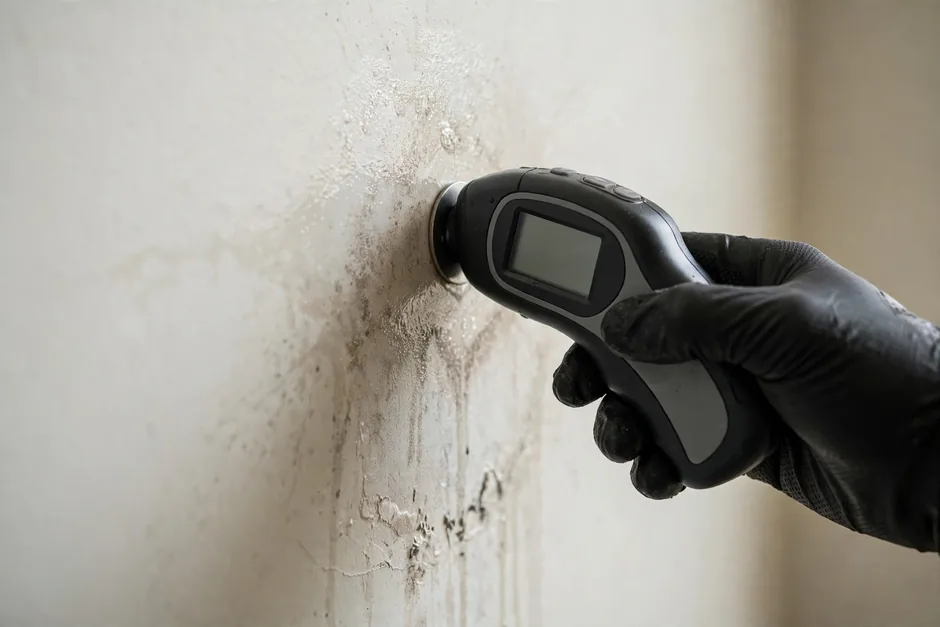
Finds temperature differences that reveal hidden water behind drywall, under flooring and above ceilings before visible damage appears.
Measures moisture content in wood, drywall and air so we know when materials have actually reached dry standard.
Pulls standing water from carpet, tile and hard surfaces far faster than a portable unit or a shop vacuum.
Move air across wet surfaces and pull moisture from the air so framing, drywall and subfloor can dry.
Pull moisture out of hardwood flooring from the surface, giving the floor a chance to be saved without full removal.
Lets us look inside wall and ceiling cavities to confirm hidden water and check that drying is complete before closing up.
Filters airborne particles during drying and remediation work, keeping dust out of clean rooms.
Plastic sheeting and barriers seal off the drying zone on larger jobs so equipment works efficiently and dust stays contained.
Affected framing and cavities are treated after extraction to reduce the chance of mold while the structure dries.
ANSI/IICRC S500 is the published industry standard for water damage restoration, covering water categories, drying goals and documentation. It is an industry standard, not law, and we describe our work against it rather than claiming certification to it.
We confirm the water is off, extract the standing water, open the wet ceiling section, dry the cavity and insulation, and replace the damaged drywall and paint. The room is documented at every step.
We extract the water, pull saturated carpet and padding, dry the subfloor and adjacent drywall, and replace what cannot be saved. The failed hose is documented for your records.
We extract the standing water, dry the slab and baseboards, and check the adjoining room with a moisture meter, since water travels along the slab edge before it shows on the surface.
Thermal imaging maps the wet zone inside the wall, we open the affected section, dry the framing and insulation, and replace the drywall once readings are at dry standard.
Houston builds its water lines differently from colder cities, and that shapes where burst pipes happen here. Attic-run lines, older galvanized pipe in mid-century homes, and the clay soil that moves under slab foundations all play a part. These are the patterns we see across the neighborhoods we serve.
Older bungalows with ageing supply lines and pier-and-beam construction in places, where a break can run under the floor before it shows inside.
Large homes with long attic runs and complex rooflines, where a split line can soak several rooms from above before it is found.
Older bungalows and fourplexes with original plumbing in many homes, where a fitting can fail without warning.
A mix of older homes and new construction, where water heater and appliance supply lines are common calls.
Mid-century ranch homes with slab foundations and mature trees, where ageing supply lines and soil movement meet.
Rebuilt and older homes alike, where attic-run lines and appliance hoses are the usual burst-pipe calls.
Mid-century ranch homes on slab, where supply lines and water heaters in garages are exposed to cold snaps.
Because Houston ground rarely freezes, lines are often run through attics with little protection, which is why freeze events hit attics first.
Houston Black clay swells when wet and shrinks when dry, stressing joints and fittings over seasons until one lets go.
A supply line in the attic split during a cold snap and water came through two bedroom ceilings overnight. Insulation was soaked and the ceiling drywall was sagging by morning.
We extracted the standing water, opened the wet ceiling sections, dried the cavities and framing, and replaced the insulation and drywall. Final moisture readings were logged in writing before anything was closed up.
Maintenance: We recommended insulating exposed attic lines and fitting a water alarm in the attic, so a future break is caught before it reaches the ceiling.
A washing machine supply hose let go while the homeowner was at work, flooding the laundry room and hallway. Carpet and padding were saturated and water had reached the baseboards.
We extracted the water, removed the saturated carpet and padding, dried the subfloor and drywall, and replaced the baseboards that could not be saved. The failed hose was photographed for the homeowner’s records.
Maintenance: We suggested braided stainless supply lines and a leak sensor behind the washer, both inexpensive ways to catch the next failure early.
A water heater in the garage ruptured and water ran under the wall into the adjoining room, soaking the slab edge and the bottom of the drywall.
We extracted the standing water, dried the slab and framing with air movers and dehumidifiers, and checked the adjoining room with a moisture meter before closing anything up.
Maintenance: We recommended an annual water heater check and a drain pan with a leak alarm under the new unit.
Most burst-pipe calls fall into a few patterns. Each one has a different water path and a different drying plan.
A line run through an attic splits in a cold snap and water comes through the ceiling. We extract, open the wet cavity, dry the framing and insulation, and replace the damaged ceiling materials.
A washing machine or dishwasher hose lets go and floods a utility room and hallway. We extract, remove saturated padding, dry the subfloor and document the failed hose.
A failed water heater floods a garage or utility room and water runs under walls into adjoining rooms. We extract, dry the slab and check every adjoining room with a moisture meter.
A line in an exterior wall splits and soaks the wall cavity from inside. Thermal imaging maps the wet zone so we open only what needs drying.
A small split behind a wall or under a cabinet soaks framing for days before it shows. We map the full wet zone, dry it, and arrange mold remediation where the water sat long enough for mold to establish.
Houston burst pipes follow Houston patterns: attic runs, ageing pipe, and clay soil that moves with the seasons. Our work is built around finding the full path of the water, drying it to documented readings, and repairing what the water damaged — nothing more, nothing less.
Dealing with water damage is stressful, but Restoration Enterprise made the whole situation manageable. They were calm, knowledgeable, and reassuring from start to finish. I could finally breathe knowing my home was in good hands.
Exceptional Service Beyond Expectations! I am delighted to write this review for the highly professional and efficient water restoration company that turned our disaster into a blessing. When we discovered a serious plumbing issue in our kitchen, we were overwhelmed with anxiety and worry. However, the moment we reached out to them, they swiftly stepped in, assuaging our fears and promptly handling the situation. The thing that struck me the most about this company was their extraordinary customer service. They were not just professional, but also empathetic, understanding the stress we were under. They were quick to respond, arriving at our home within an hour of our call, fully equipped to deal with the situation. The cleanup process was swift and unobtrusive, causing minimal disruption to our daily routine. They even liaised with our insurance company, alleviating us from the added stress of handling paperwork. It's not often that you encounter a company so dedicated to their work and to the satisfaction of their clients. They turned an unfortunate event into a surprisingly positive experience. We are beyond pleased with the results and are grateful to have our kitchen back, in even better shape than before! If you are ever unfortunate enough to encounter a water disaster in your home, I wholeheartedly recommend this water restoration company. Their professionalism, efficiency, and dedication to customer satisfaction are second to none.
Across all 152 Google reviews, Restoration Enterprise holds a 4.7-star average: 142 five-star reviews and 10 one-star reviews. That aggregate rating is the full picture — the two reviews shown here are the only individual reviews quoted on this site.
If it is safe to do so, turn off the water at the main shut-off valve, usually near the street meter or where the line enters the home, and turn off power to rooms with standing water. Move valuables out of the water where you can do so safely. Then call (346) 980-0009. If you cannot reach the valve safely, leave it and we will shut the water off on arrival.
Because Houston ground rarely freezes, water lines are often run through attics, where they have little protection in a cold snap. Winter Storm Uri in February 2021 showed the scale of that risk, with attic-run lines failing across the city. Ageing galvanized and polybutylene pipe and the movement of Houston Black clay under the slab add to the strain on joints and fittings.
No. A plumber repairs the pipe — we restore the water damage. We extract the standing water, dry the structure to documented moisture readings, and repair the drywall, insulation, baseboards and flooring the water damaged. We do not present ourselves as a plumbing company.
In general terms, a standard homeowners policy usually covers sudden and accidental water damage such as a burst pipe, while gradual leaks and wear-and-tear damage are usually excluded. Flood is excluded from a standard homeowners policy and needs separate flood insurance. What a specific policy covers depends on that policy, so check with your insurer. Our insurance claim page explains the documentation that is usually asked for.
It depends on the materials, how much water was released and the conditions in the home. We dry until moisture readings reach dry standard and record those readings in writing, rather than quoting a fixed number of days. The amount of water, the ceiling and wall cavities involved, and Houston humidity all affect the drying.
Not seeing your question? Our local team can help you understand urgency, scheduling and what to expect.
Ask the local team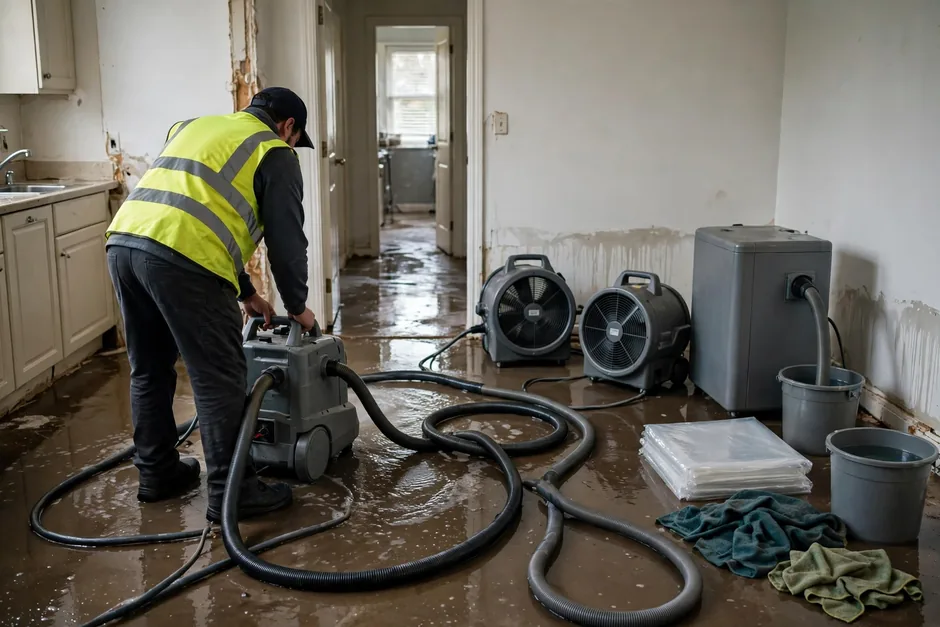
Burst pipe extraction is step one; full water damage restoration covers the drying and the repair of drywall, flooring and trim once the structure is dry.
View service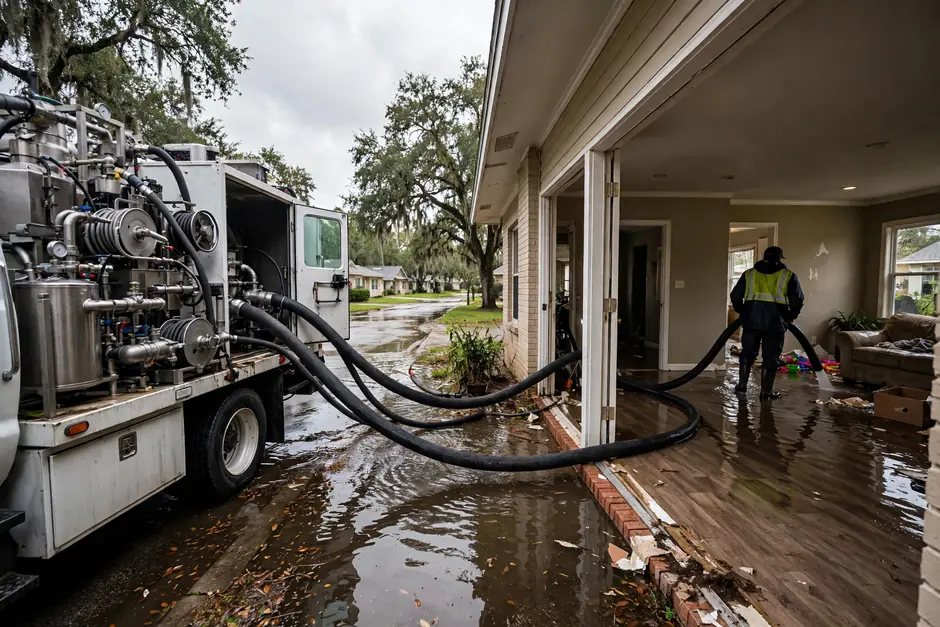
Standing water from a burst pipe is removed with truck-mounted extraction units, then the structure is dried to documented moisture readings.
View service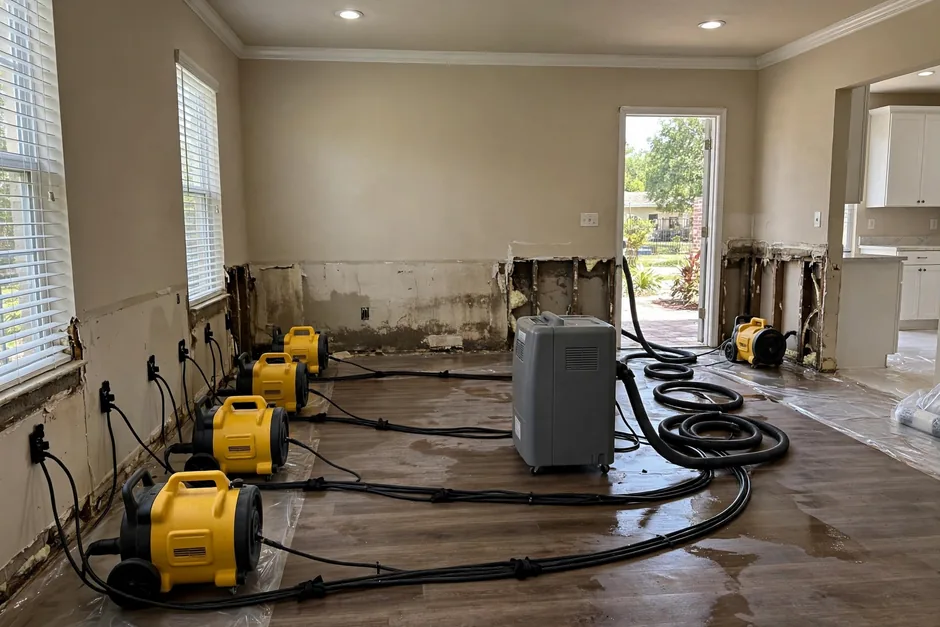
After extraction, air movers and dehumidifiers dry the framing, subfloor and wall cavities, with readings logged in writing.
View service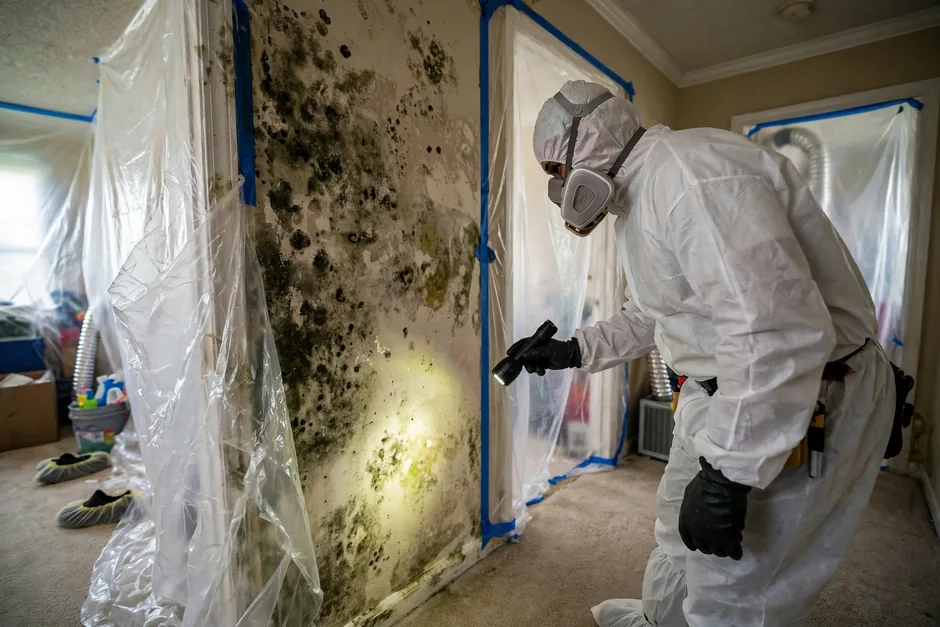
Where water sat long enough for mold to establish, mold remediation follows drying. In Texas, remediation of 25 contiguous square feet or more must be done by a remediator licensed by TDLR.
View serviceWe answer the phone around the clock, including weekends and holidays. Tell us what happened and where you are, and we will give you a clear next step. Phone is our contact channel.