Why Does My Carpet Smell After Water Damage in Houston
A carpet that smells musty after water damage is telling you something plain: the carpet is not the problem. The pad underneath it, and the floor below that, are. Here is why the smell happens, why surface cleaning does not fix it, and what actually gets rid of it.
A carpet that smells musty after water damage is telling you something plain: the carpet is not the problem. The pad underneath it, and the floor below that, are. Here is why the smell happens, why surface cleaning does not fix it, and what actually gets rid of it.
The smell comes from underneath, not from the fibers
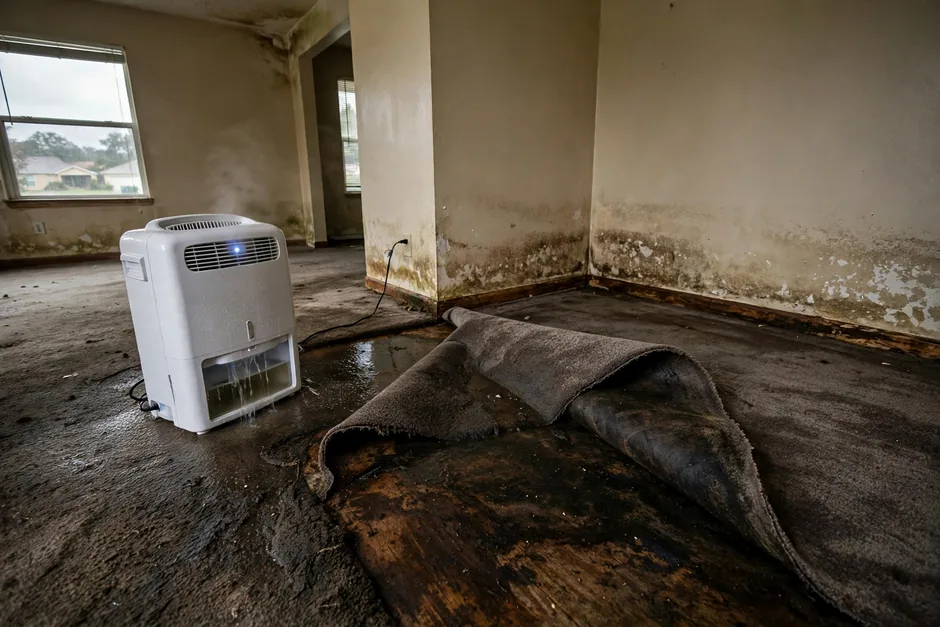
Carpet fibers dry quickly. The pad underneath does not. The pad is a sponge, and after a leak it holds water for far longer than the carpet above it. The subfloor below the pad holds water longer still. The musty smell is the smell of wet material that has stayed wet, and it comes from the layers you cannot see.
Houston's humidity makes this worse. A carpet that was wet on a dry day in a dry climate might air out. In Houston, the air is already humid, so the pad dries slowly, and slow drying is what lets the smell take hold. That is why a carpet that looked dry a week after a leak can still smell: the top dried, the pad did not.
Why cleaning the surface does not work
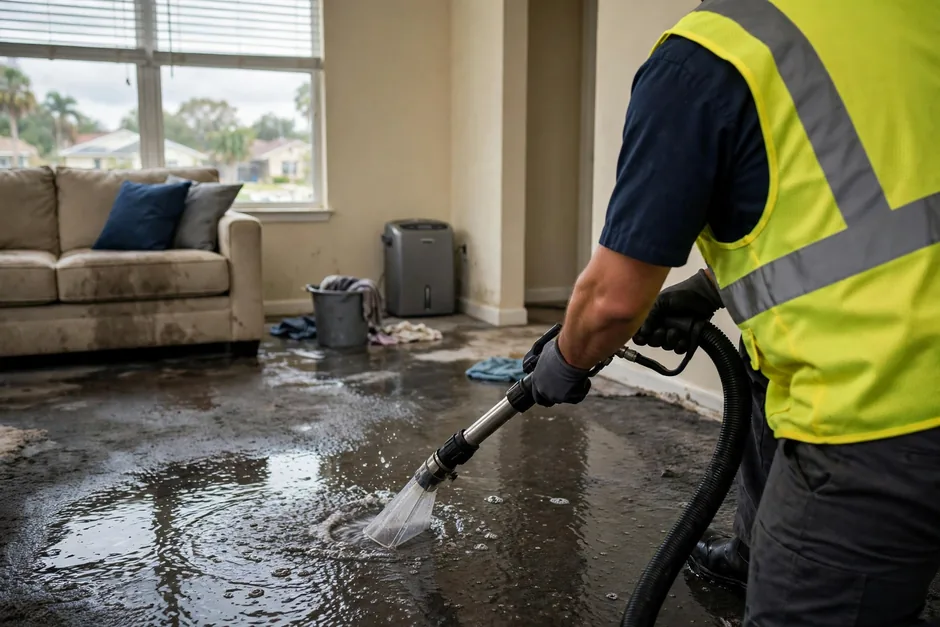
Shampooing a smelly carpet adds water and detergent to a problem that is already too wet. Deodorising sprays mask the smell for a day and do nothing for the pad. Steam cleaning adds more water still. None of these reach the pad or the subfloor, and none of them dry anything.
The only thing that fixes a smell from underneath is drying or removing what is underneath. That means lifting the carpet, checking the pad and the subfloor, and either drying them properly or replacing the pad. Our structural drying and dehumidification in Houston work measures the moisture in the pad and the subfloor, because the smell will not go away until those readings are dry.
When the pad has to go
Pad that has been soaked for a long time, pad that has begun to smell strongly, and pad under carpet that was wet with contaminated water are usually replaced rather than dried. The pad is the least expensive part of the floor and the hardest part to dry, so replacing it is often the right call. Carpet that was wet with clean supply water and caught quickly can often be saved once the pad is replaced and the subfloor is dried.
In Garden Oaks, where many homes are mid-century ranch houses on slab, the pattern is familiar: a supply-line leak soaks the carpet, the pad holds the water against the concrete, and the smell appears days after the carpet looks dry. The fix is the same in every case: lift the carpet, deal with the pad, and dry the slab.
Mold and the smell
A musty smell after water damage is often the first sign of mold, and mold follows wet material that stays wet. If mold is found in the pad, the subfloor, or the wall behind the baseboard, the Texas rules apply. In Texas, mold remediation of 25 contiguous square feet or more requires a TDLR-licensed remediator, and the company that assesses the mold cannot remediate the same job. IICRC S500/S520 are industry standards, not law. Mold assessment is a separate licensed activity from remediation.
Do not paint over a smelly baseboard and do not seal a damp subfloor. The smell will come back, because the moisture is still there. Our mold remediation in Houston page explains how the assessment and remediation roles are kept separate, and why there is no safe level of mold in the Texas rules.
What a professional does differently
A professional starts by measuring. Moisture meters read the carpet, the pad, and the subfloor, and the readings show exactly where the water is. Emergency water extraction in Houston removes the liquid water from the carpet and pad, and drying equipment then pulls the remaining moisture out of the layers underneath, with the readings tracked until they are dry.
That measurement is the difference between a fix and a guess. A carpet that smells after a home drying attempt has usually been dried on the surface only. A carpet that has been measured, dried, and verified dry does not smell, because there is nothing left underneath to smell.
How to stop it happening again
Fix the source of the water. A carpet that keeps smelling after drying is often a carpet with a leak that was never repaired, or a slab that is still taking on water. Plumbing repairs the pipe. Roofing repairs the roof. Restoration deals with the water damage either one caused, and the repair has to last for the smell to stay away.
Once the floor is dry, keep the room's humidity down and check the spot for a few weeks. If the smell returns, the moisture has returned with it, and the floor needs to be checked again rather than cleaned again.
Frequently Asked Questions
Why does my carpet smell after water damage?
The smell comes from the pad underneath the carpet and the subfloor below that, not from the carpet fibers. The pad holds water far longer than the carpet above it, and in Houston's humidity it dries slowly, which is what lets the smell take hold.
Will shampooing fix a smelly carpet after water damage?
No. Shampooing adds water to a problem that is already too wet, and it does not reach the pad or the subfloor. The smell will return until the layers underneath are dried or the pad is replaced.
Should I replace the carpet pad after water damage?
Often, yes. Pad that has been soaked for a long time or has begun to smell is usually replaced rather than dried. It is the least expensive part of the floor and the hardest part to dry, so replacement is often the right call.
Does a musty carpet smell mean mold?
It can. A musty smell after water damage is often the first sign of mold in wet material that has stayed wet. If mold is found, the Texas rules apply: remediation of 25 contiguous square feet or more requires a TDLR-licensed remediator, and the assessor and remediator must be separate.
How do professionals get rid of carpet smell after water damage?
By measuring the moisture in the carpet, pad, and subfloor, extracting the liquid water, drying the layers underneath with air movers and dehumidifiers, and replacing the pad where it cannot be dried. The readings are tracked until the floor is dry.
Carpet smell after water damage in Houston
Do not mask the smell. Find the moisture underneath it. Call Restoration Enterprise at (346) 980-0009. We measure the carpet, pad, and subfloor, dry what can be dried, and tell you honestly what has to go.
Sources
Sources for the rules and figures cited in this guide.
- ANSI/IICRC S500 — Standard for Professional Water Damage Restoration — the industry standard for professional water damage restoration.
- ANSI/IICRC S520 — Standard for Professional Mold Remediation — the industry standard for professional mold remediation.