Hurricane Season Water Damage Prep for Houston Homes
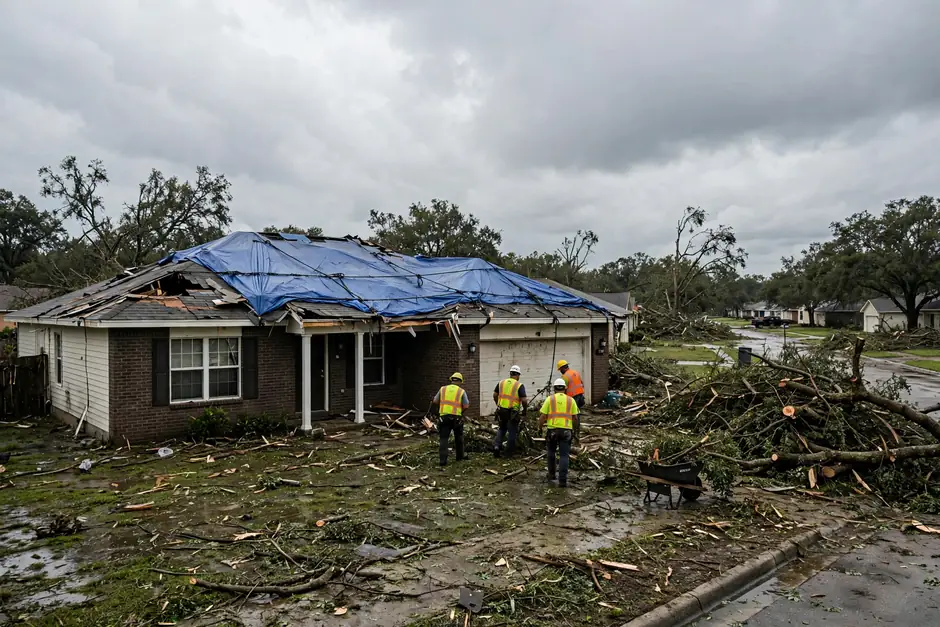
Houston does not need a direct hit from a major hurricane to flood. A slow-moving tropical storm can drop more rain than a fast-moving hurricane, and that is the pattern that has hurt this city most. Hurricane season runs from June through November, and the preparation that matters is done before the first forecast, not during it.
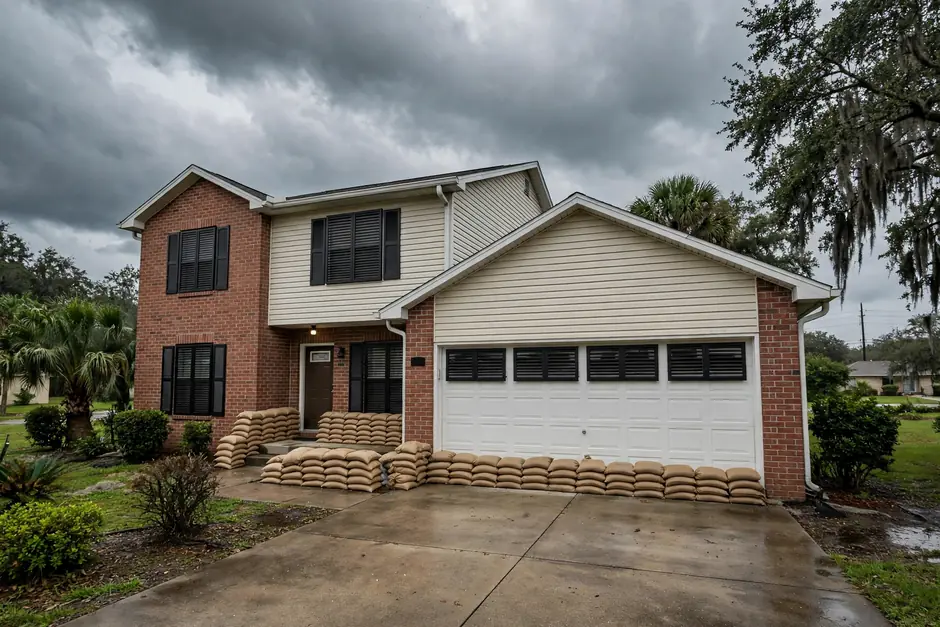
Houston does not need a direct hit from a major hurricane to flood. A slow-moving tropical storm can drop more rain than a fast-moving hurricane, and that is the pattern that has hurt this city most. Hurricane season runs from June through November, and the preparation that matters is done before the first forecast, not during it.
What Houston storms actually do to homes
The danger in Houston is water, and it arrives in several ways at once: heavy rain that overwhelms gutters and drainage, wind that lifts shingles and opens the roof, storm surge along the coast and tidal creeks, and bayous that rise when the ground is already saturated. A slow-moving tropical storm stalling at a few miles per hour can drop far more rain over several days than a fast-moving hurricane.
Hurricane Harvey, in 2017, is the clearest example. It was the wettest tropical cyclone in American history at the Cedar Bayou gauge, and the Harris County Flood Control District's final count was 154,170 homes flooded in Harris County, 68 percent of them outside the 100-year floodplain. Tropical Storm Imelda, in 2019, flooded 3,990 homes in Harris County. Winter Storm Uri, in 2021, was a different kind of storm: a freeze that burst pipes across the region, with 511,473 claims statewide and 112,163 in Harris County. These are historical facts about Houston's storms. They are not claims about any company's work during them.
Roof, gutters, and drainage before the season
Start with the roof. Look for missing or lifted shingles, cracked pipe boots, and failed flashing around chimneys, vents, and skylights. Those are the entry points that turn a heavy rain into a ceiling leak. Clean the gutters and downspouts, and make sure downspouts carry water away from the foundation rather than dumping it at the wall. Houston's live oaks drop leaves year-round, so a gutter that was clean in spring can be full by August.
Check the grading around the house. Soil should slope away from the foundation, and low spots near the walls should be filled. In Kingwood, where flooding can arrive from Lake Houston, the West Fork of the San Jacinto River, or internal drainage, the grading and the street drainage both matter. Our storm damage restoration in Houston work after past storms has often started at a roof or gutter failure that could have been fixed in a dry week.
Inside the home: shutoffs, documents, and the safe room
Know where your main water shutoff is, and make sure every adult in the house knows too. Know where the breaker panel is. Keep a folder of documents in a waterproof container or a digital copy elsewhere: insurance policies, photos of each room, receipts for major items, and the phone number of your insurer. Photographing each room before the season takes an afternoon and saves weeks of argument after a loss.
Move valuables, electronics, and important papers off the floor and away from exterior walls before a storm is forecast. If your home has a history of water coming in at a particular door or window, keep towels and a wet and dry vacuum accessible, and know which room is the driest place to wait out the rain.
Insurance checks to make before June
Check your policies before the season, not after a loss. As general information, a standard homeowners policy generally excludes flood, and flood insurance is a separate policy. Sudden and accidental water damage is generally covered, while gradual damage generally is not. If you have flood insurance, note the claim deadlines: under the National Flood Insurance Program, proof of loss is generally due within 60 days of the loss, with an appeal within 60 days of a denial and a suit within one year. Check your own policy for the exact terms.
Our water damage insurance claim assistance in Houston guidance is the same every year: document the home before the storm, document the damage after it, and keep every receipt. Do not throw damaged items away until your insurer has seen them or agreed you can dispose of them.
The first day after the storm
Once it is safe to go outside, photograph the damage before you move anything. Check the roof from the ground for missing shingles and damaged flashing, and check the attic for water trails if you can do so safely. Do not climb onto a wet roof. Inside, check ceilings, walls, and floors for stains and soft spots, and check the rooms you use least first, because water hides there longest.
If water got in, call for flood damage cleanup in Houston once you are safe. Extraction and drying should start as soon as it is safe to do so, and the crew will check the wall cavities and subfloor that you cannot see. In Clear Lake, where tidal creeks and surge add to the rain risk, the first day after a storm is also the day to check the lowest rooms and any below-grade spaces.
What not to do after a storm
Do not start repairs before the damage is documented and the insurer has been notified. Do not hire anyone who knocks on your door offering immediate repairs for an upfront payment. Texas law requires a written contract for disaster remediation work, and no upfront payment may be taken for disaster remediation work, with a narrow local-contractor exception. Get the scope in writing before any work starts.
Do not run the air conditioning over wet carpet and expect it to dry the house. Do not paint over a water stain. And do not assume a roof leak is fixed because the rain has stopped. The water that got in is still in the structure, and it needs to be dried out properly. Roofing repairs the roof. Restoration deals with the interior water damage the storm caused.
Frequently Asked Questions
When is hurricane season in Houston?
Hurricane season runs from June through November. The preparation that matters, roof and gutter checks, drainage, documents, and insurance checks, should be done before the season starts, not when a storm is forecast.
What should I do to prepare my Houston home for hurricane season?
Check the roof, flashing, gutters, and grading. Know your water shutoff and breaker panel. Photograph every room and keep insurance documents in a waterproof place. Check whether you have separate flood insurance, since a standard homeowners policy generally excludes flood.
Does homeowners insurance cover hurricane flood damage?
As general information, a standard homeowners policy generally excludes flood, and flood insurance is a separate policy. Wind and rain damage are treated differently from flood damage. Check your own policies before the season and keep full records of any loss.
What should I do first after a storm damages my home?
Once it is safe, photograph all damage before moving anything, notify your insurer, and call for extraction and drying. Do not start repairs before the damage is documented, and get any repair scope in writing before work starts.
How much rain can a Houston storm drop?
A slow-moving tropical storm can drop far more rain over several days than a fast-moving hurricane. Hurricane Harvey was the wettest tropical cyclone in American history at the Cedar Bayou gauge, and the Harris County Flood Control District counted 154,170 homes flooded in Harris County, 68 percent of them outside the 100-year floodplain.
Hurricane season prep for your Houston home
Prepare before the season, document before and after the storm, and call Restoration Enterprise at (346) 980-0009 if water gets in. We extract the water, dry the structure, and help you document the loss.
Sources
Sources for the rules and figures cited in this guide.
- Harris County Flood Control District — Hurricane Harvey Report — the county's account of Harvey flooding in Harris County.
- Coyne Commercial Group — NFIP Proof of Loss: 60 Days — the 60-day proof-of-loss deadline for National Flood Insurance Program claims.
- National Weather Service Houston/Galveston — Hurricanes Climatology, 2000s — the local hurricane climatology for the Houston/Galveston area.